

Margin erosion usually shows up as a good hospital spending more to do the same work, and by the time it is obvious in the financials it has been happening for years.
Underneath it, almost every time, is an operations training gap.
Your clinical leaders are probably great people. Many of them were the best nurse on the floor before they got promoted. You put them in charge because they were reliable, respected, and showed up.
That's what. . . hospital does with its best clinical talent.
Then you handed them a job that has almost nothing to do with being a great nurse. . . and gave them no roadmap for it.
Clinical excellence and operational leadership are different disciplines. Almost no evidence suggests one predicts the other. Yet most health systems promote their strongest clinicians into operator roles and provide no operations training to bridge the gap. So good people do what any intelligent person does without a framework. They work harder. They staff by feel. They absorb conflict personally. They avoid accountability conversations nobody prepared them for.
That's not a people problem. . . it's a training gap. And it's showing up in your margins, your retention, your CMS scores, and your leaders' willingness to stay in the job.
Operational Performance Partners exists to close that gap.
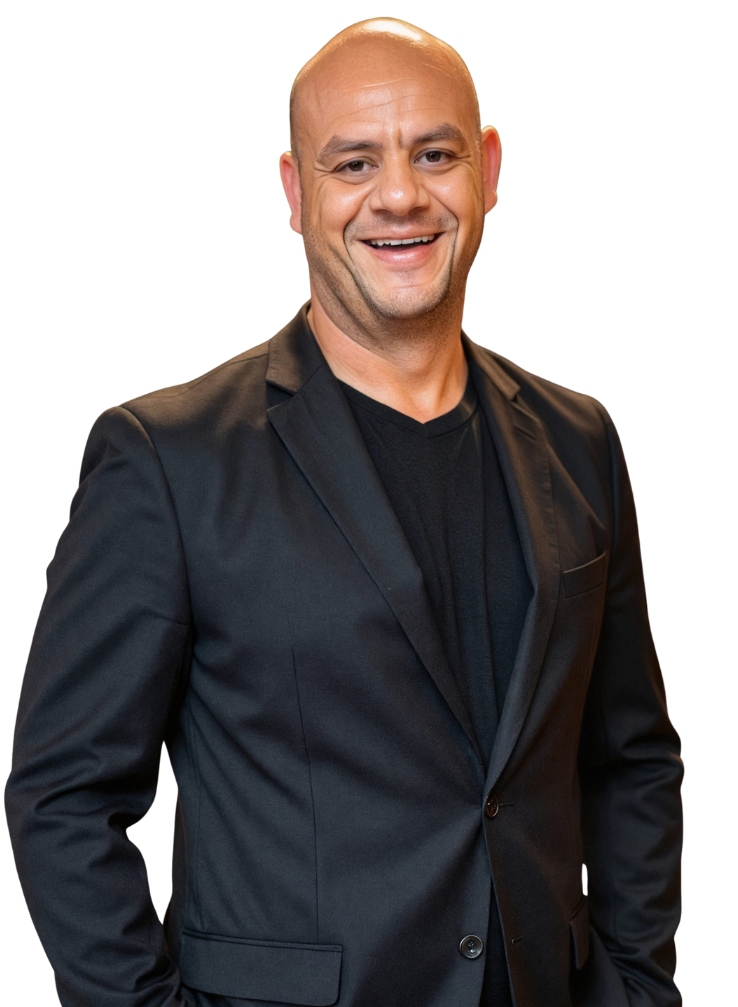
I come in, I look at the real operation rather than the reported one, and you get a twelve-month plan with the savings opportunity attached to every line, in your hands within five business days of my last day on site.
Day one is free. If you are not convinced I can help by the end of it, I leave and I bill you nothing.
The intensive runs during the week. I will also look at a night or a weekend shift when that adds something, since those are the shifts nobody normally schedules a visit for.
I take on a small number of hospital engagements each year.
Three consecutive financial turnarounds, in systems from $200M to $750M in annual operating revenue.
Operating margin from 0.8% to 4.5% in one fiscal year. Another organization from negative 12.9% to break-even in three years, without cutting a single service. One moved from acquisition target to acquirer within three years.
RN turnover cut in half. Locum utilization down 70%. Labor expense down 9%. RN satisfaction from the 4th to the 50th percentile in three years.
An 80% reduction in serious safety events over five years at the flagship hospital, and reductions in serious safety events at every organization I have led.
One critical access hospital grew its census tenfold with no added labor.
Magnet. Malcolm Baldrige.
CMS 5-Star. Healthgrades Top 250, three consecutive years,
2024 to 2026.
I build benches, not dependence.
I build hospital operators. I transform clinical leaders. . . charge nurses, managers, directors, VPs. . . into people who diagnose problems structurally instead of personally. Who control staffing with data instead of guilt.
Who communicate with physicians as operational equals. Who hold accountability without absorbing emotion. Who think beyond their department.
Most hospital performance problems are consistency problems. Consistency problems are usually clarity problems. And clarity comes from training the people running the units to think like operators.
That's the work.
Everything I do follows a disciplined sequence: Stabilize. Optimize. Anchor.
Stabilize first. . . so leaders can make predictable, repeatable decisions instead of reacting to daily volatility.
A structured staffing method lives at this layer. I teach it, and I help install it. It removes emotion from daily staffing decisions and replaces it with a consistent, algorithmic system. I have used it in facilities from rural critical access hospitals to regional health systems.
Optimize next. . . once operations are stable enough to improve. Flow, capacity, throughput, physician communication, and accountability all become addressable once the foundation holds.
Anchor last. . . because results that aren't built into the operating system don't hold under pressure.
Anchoring is where operator identity takes over from consulting support, and where the methodology becomes permanent.
This sequence is embedded into the Academy curriculum. It is how our participants learn to think.
The Academy is my platform for developing clinical leaders into hospital operators. Built on 30 years of healthcare and operations experience as well as a methodology that has taken clinical directors into VP-level roles across multiple health systems.
The Academy includes a six-module curriculum, monthly operational training, live group Q&A, and (for enrolled organizations) a monthly one-on-one CNO strategy session with me. Enrollment is organizational, sold in bundles, and designed for health systems that want to develop their clinical leadership bench as a long-term operational asset rather than a training line item.
A small number of health systems each year engage me for direct operational work. . .
enterprise-level installs where the methodology is built in alongside Academy enrollment for the leadership team. These engagements are limited and selective.
If you are interested in learning more about them, reach out directly.
Most organizations start with the intensive, then move into the Academy.
A structured, scalable way to develop. . . clinical leader in your system (from charge nurses to
VP-candidates) around a shared operational framework and language.

Service 1
Bullet List 1
Bullet List 2
Bullet List 3
Bullet List 4
Bullet List 5

Service 2
Bullet List 1
Bullet List 2
Bullet List 3
Bullet List 4
Bullet List 5

Service 3
Bullet List 1
Bullet List 2
Bullet List 3
Bullet List 4
Bullet List 5

© Operational Performance Partners, LLC 2026 All Rights Reserved.
